Skip to content
Can Home Insurance Cover Tree Removal? A Pennsylvania Homeowner’s Guide
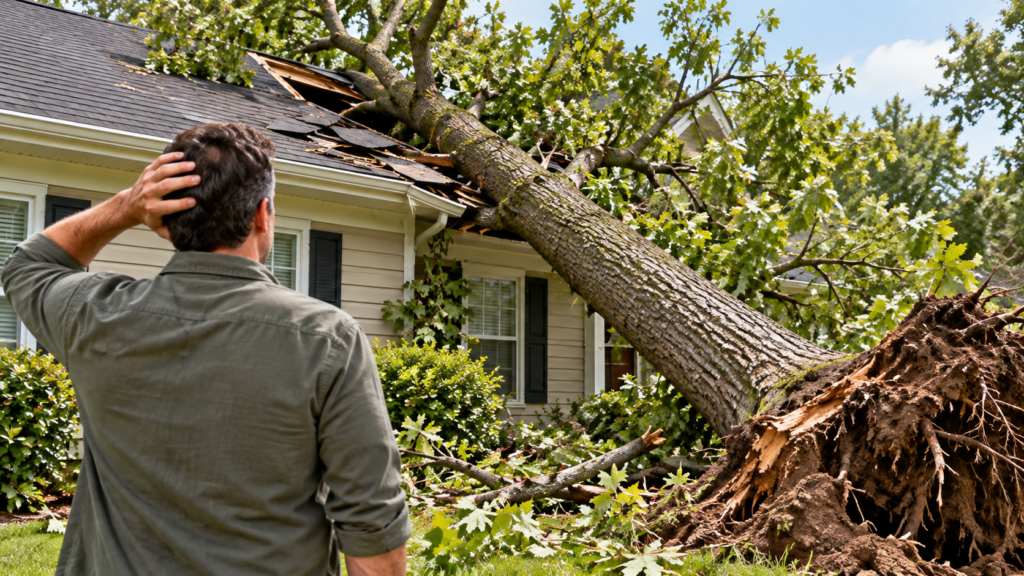
A tree falling during a storm can leave homeowners facing property damage, cleanup expenses, and questions about insurance. One of the first concerns is: can home insurance cover tree removal, or will you need to pay for everything yourself?
The short answer is yes, homeowners insurance may cover tree removal when a covered event causes a tree to damage an insured structure or obstruct certain access points. However, coverage depends on your policy, the cause of the damage, and where the tree falls.
For Pennsylvania homeowners, understanding these differences can help you make informed decisions before arranging removal.
When Does Homeowners Insurance Cover Tree Removal?
If you’re wondering can home insurance cover tree removal, the most important factors are what caused the tree to fall and whether it damaged covered property.
A Fallen Tree Damages Your Home
When wind, lightning, or another covered event causes a tree to fall onto your house, garage, or another insured structure, homeowners insurance will generally cover eligible damage and related removal expenses.
For example, if a storm causes a large branch to crash through your roof, your policy may cover the repairs and necessary tree removal, subject to policy conditions.
A Tree Blocks Your Driveway
Some policies also cover fallen trees that prevent vehicles from entering or leaving your driveway, even when no building is damaged.
Certain policies extend similar protection to blocked accessibility ramps.
Does homeowners insurance cover tree removal in every driveway obstruction? Not necessarily. The cause of the fall and your policy’s specific debris-removal provisions still matter.
When Does Insurance Not Cover Tree Removal?
Understanding exclusions is equally important when asking can home insurance cover tree removal.
Common situations where insurance may not pay include:
- Routine maintenance: Removing healthy trees for landscaping or convenience is generally the homeowner’s responsibility.
- Dead or neglected trees: Removal of trees with known decay or deterioration may not qualify for coverage.
- Fallen trees without covered damage: A tree that falls harmlessly into an open yard may not qualify for debris-removal reimbursement.
- Preventive removal: Insurance typically does not pay to remove a leaning tree merely because it could fall later.
Homeowners should address hazardous trees before they cause serious damage.
Who Pays When a Neighbor’s Tree Falls in Pennsylvania?
A common concern is: does insurance cover fallen trees when they originate on someone else’s property?
Generally, if a neighbor’s tree falls onto your home during a storm, your homeowners insurance is the first place to report the damage.
However, liability may change if the neighbor knew, or reasonably should have known, that the tree posed a danger and failed to take appropriate action.
For example, a visibly decaying tree that had been repeatedly reported may raise different liability questions than a healthy tree unexpectedly damaged by severe weather.
Pennsylvania homeowners should document the damage, speak with their insurers, and seek legal guidance when responsibility is disputed.
How Much Tree Removal Will Insurance Pay For?
Another important consideration when asking can home insurance cover tree removal is the amount available for cleanup.
Tree removal insurance coverage varies by policy. Some policies provide separate debris-removal limits, while others apply different provisions to removing a tree from a damaged structure and clearing it from the property.
Your reimbursement may depend on:
- Policy coverage limits
- Applicable deductibles
- The nature and extent of property damage
- Whether additional emergency work is necessary
Avoid assuming that insurance will reimburse the entire removal bill. Ask your insurer how your policy distinguishes structural damage, emergency protection, and debris cleanup.
How to File a Tree Removal Insurance Claim
Knowing can home insurance cover tree removal is useful, but taking the right steps after damage occurs is just as important.
1. Document the Damage
Photograph the fallen tree, damaged structures, surrounding areas, and any blocked access points from a safe location.
2. Contact Your Insurance Provider
Report the incident promptly. Ask what documentation is required and whether an adjuster needs to inspect the damage before removal.
3. Obtain a Professional Estimate
A written estimate can help explain the work required and its expected cost.
4. Keep Records of Expenses
Save estimates, invoices, photographs, and correspondence relating to the incident.
5. Prioritise Safety
Never approach trees entangled with power lines or attempt to remove large, unstable branches yourself. Contact the utility provider for electrical hazards and use qualified professionals for dangerous tree work.
Frequently Asked Questions
Usually, debris removal isn’t covered when a tree falls into an open yard without damaging insured property or blocking qualifying access. Exceptions depend on the policy.
Generally, no. Preventive removal of dangerous, dying, or leaning trees is usually considered routine property maintenance rather than an insured loss.
It may be covered when the emergency results from an insured event and the work is necessary to address covered damage or prevent additional damage. Always confirm the applicable terms with your insurer.
Tree Removal Assistance in Delaware County and Southeastern Pennsylvania
After confirming can home insurance cover tree removal, the next step is finding a qualified team to assess the damaged tree and provide an estimate.
A Cut Above Tree Service provides professional tree removal and 24-hour emergency storm damage services throughout Delaware, Chester, Montgomery, and Bucks counties, including the Main Line and surrounding areas.
Based in Delaware County, the family-operated company offers free estimates and is fully insured. Its services include tree removal, pruning, trimming, and stump grinding, helping homeowners address both immediate damage and ongoing tree-care needs.
Whether a storm has brought down a large tree or you need an assessment of a hazardous tree near your home, professional assistance can help you understand the work required. Insurance eligibility and reimbursement remain decisions for your insurer.